
E-commerce Platform
Client
E-commerce Platform - Division Interiors Oman
Industry
Real Estate and Interior Design
Project Duration
6 months
Team Size
8 members

Swift(iOS)

Java(Android)

MySql

AWS appsync

ChatQL

AWS
Objectives
Web Development Case Study: E-commerce Platform
E-commerce Platform is one of the Middle East’s most prominent Interior developers with a strong reputation for quality and innovation. Their Interiors Division specializes in creating stunning interior designs for their clients. To showcase its portfolio and services effectively, E-commerce Platform decided to revamp its website. This case study outlines the journey of developing a modern, responsive, and user-friendly website for E-commerce Platform – Division Interiors.
Improve the overall user experience to engage visitors effectively and drive more inquiries.
Showcase Portfolio
Create a visually appealing portfolio section to showcase their interior design projects.
Ensure the website is responsive on all devices to reach a broader audience.
Optimize page load times for a seamless browsing experience.
Develop an easy-to-use content management system (CMS) to allow the client to update content regularly.
Challenges
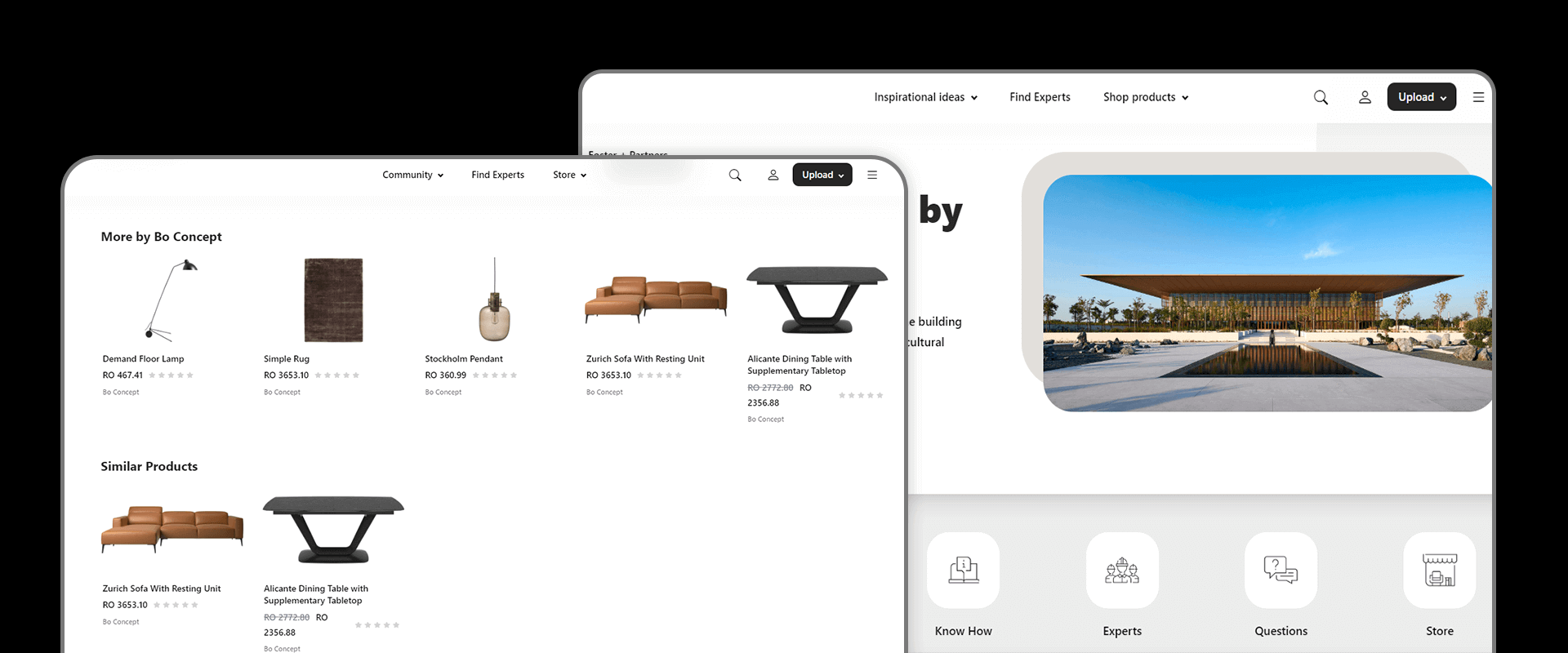
Shorfa’s goal is to make the design process easy and enjoyable. Discuss the challenges of creating an intuitive and user-friendly interface for both the web and the app. This may involve issues like creating a seamless navigation experience, ensuring responsiveness across different devices, and optimizing for various user preferences.
Shorfa offers thousands of design options and products. Describe the challenges faced in integrating such a vast product catalog into the platform. This includes issues related to data management, categorization, and ensuring accurate and up-to-date product information.
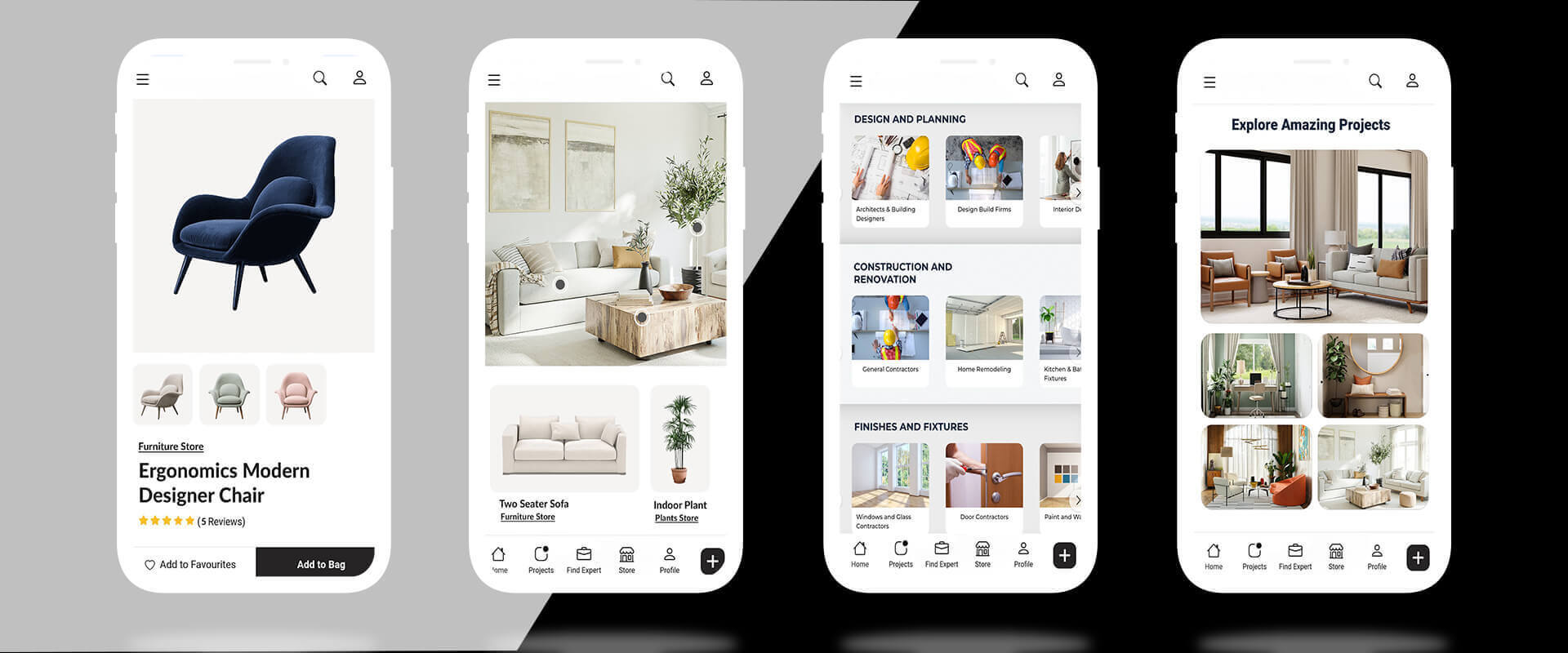
Discuss the specific challenges in developing a mobile app for Shorfa. This includes considerations like compatibility across multiple mobile platforms (iOS and Android), optimizing performance, and ensuring a consistent user experience between the web and app versions.
Highlight the importance of security and data privacy, especially when dealing with user data and payment information. Describe the measures taken to protect user information and secure transactions.
Shorfa’s users need effective search and discovery features to explore design options. Discuss the challenges faced in implementing robust search algorithms and filters to help users find products that match their preferences.
Lastly, discuss how Shorfa plans to adapt to future trends and changes in the design industry. This could include technology updates, expanding product offerings, and staying competitive in a dynamic market.
Approach and Solution
The project began with a series of meetings with the client to understand their vision, branding guidelines, and specific requirements. A detailed project scope and roadmap were created to align everyone’s expectations.
A dedicated design team worked on creating mock-ups and prototypes of the website. They focused on a modern and minimalist design to reflect SHORFA’s brand identity and the elegance of their interior designs. The prototypes were reviewed and iterated with the client until they were satisfied.
We chose a technology stack that would meet the project’s requirements and scalability needs. This included using React.js for the front end, Node.js for the backend, and PostgreSQL as the database. The choice of these technologies allowed for a responsive and dynamic website.
The development team followed Agile methodology to build the website incrementally. Regular meetings and demos ensured client involvement and feedback throughout the development process. Extensive testing, including usability testing, was conducted to ensure the website’s functionality and performance.
To empower E-commerce Platform’s team to manage the website content easily, we integrated a custom CMS. This CMS allowed them to update project portfolios, blog posts, and other content without requiring technical expertise.
Mobile Responsiveness
The website was designed and developed to be fully responsive, ensuring optimal user experience on various devices, including smartphones, tablets, and desktops.
Page load times were optimized by minimizing image sizes, using lazy loading, and implementing browser caching. This ensured a swift and smooth user experience.